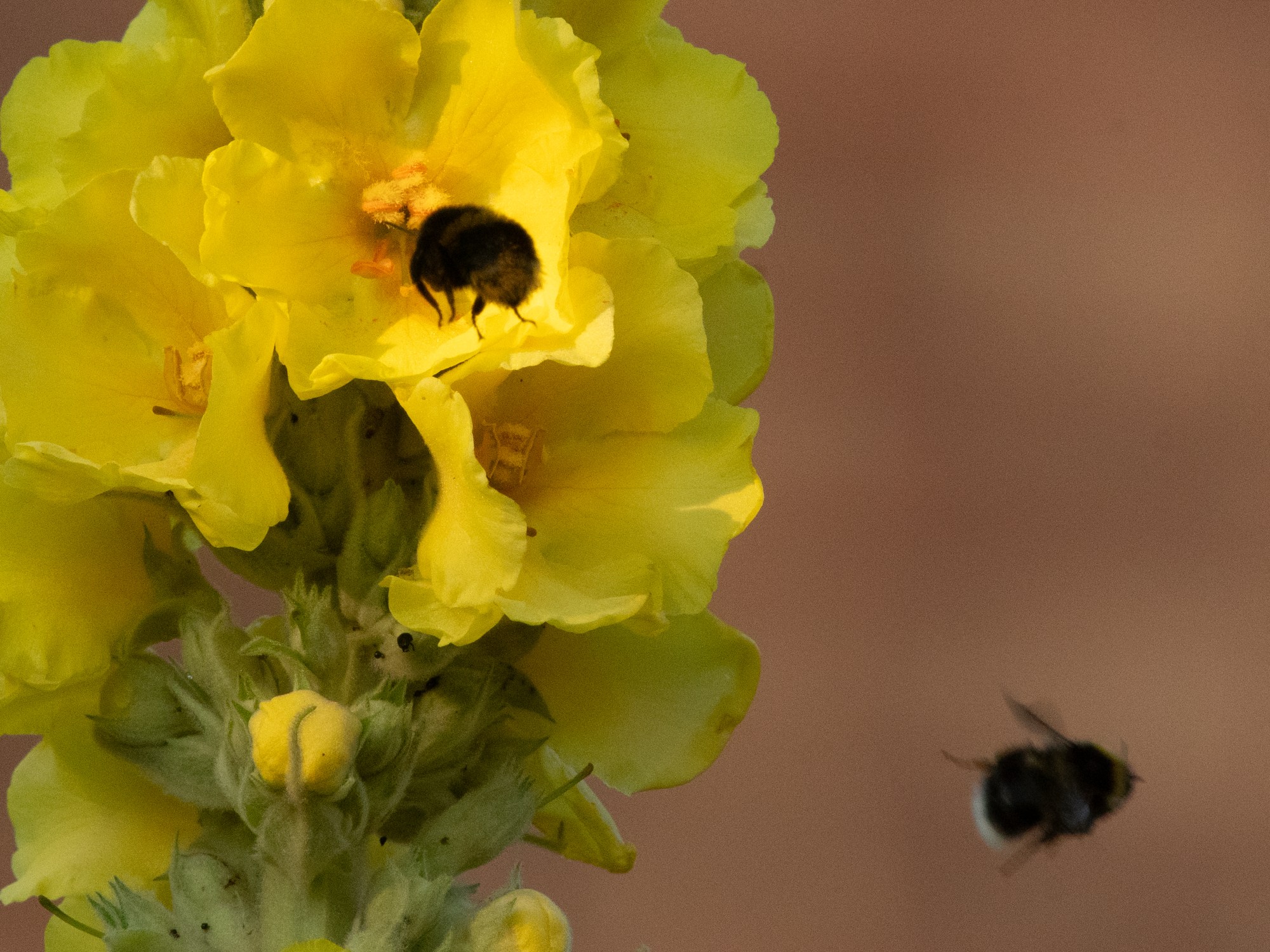
There’s a space out the back. We call it a garden. The americans call it a yard. My suggestion here is that we make it into a garden. The point is that it is what it is. It is not necessarily what we want. What might we do? We might find there is a patch of grass that we call a lawn which we feel constrained to mow every week or every fortnight or every now and then. There might be some bushes or a hedge that grow more than we want them too so we cut them or trim them or prune them. Someone might say there’s not much colour so you go to the garden centre and buy some plants with flowers on and stick them in somewhere. The slugs eat them. Anyway the flowers are over within a week or two because the garden centre got them to look their best at the point of sale, so they are beginning to be over before you have even planted them.
What I want to talk about here is Making a Garden. This is a process that starts from where you are now. It can only be done by one person. It is not a communal activity. It will take account of the other people who use the garden, for sure. Their requirements are as important as yours, but it is only one person who can make the decisions. So, step one:
- I’m in charge here. Establish this. But I want a barbecue. I want to play cricket. What about the dog. Ah! The dog needs to be accommodated elsewhere, and the neighbourhood cats need to be confined, but those are issues beyond my control.
- Call a meeting. Everyone who has an interest in the garden must be consulted. Who walks through it? Who wants to have breakfast on the terrace? Is wildlife important? Do we need a lawn? Will the dog need to wee in it? (I hope not) Football? I hope not. OK, so my prejudices are already taking shape here, and as I write I realise that I did not fully complete this step in my garden. I made assumptions – no dog, no football, no lawn. What I did do was engage, I hope, the other members of the family in the process. I made paths to Louise’s garden room and the bike shed and the eating area. I keep these paths clear. I have been known to hide the football, but there is a good park nearby. This would also apply if we had a dog.
- Make a plan. It is a good idea to do this on paper. With measurements and everything. On this plan you put all the things you want. You need to decide why you want them. You may well already have a lawn with borders around the edge. Is this what you want? Why? I’ve just bought a new mower is not an acceptable reason for having a lawn. Examine your reasons, your wants and desires in this garden space. You will have some considerations to account for from stage 2. Another consideration is What have I got? When I moved into this house two years ago there was a sort of lawn and a number of trees. The lawn has gone. Some of the trees have been removed, some have been kept. Because trees take a while to establish existing trees are valuable. They can be the initial bones of the garden.
- Make a plan. I know I’m repeating myself, but this really is important. Time will be a factor. How much time can I spend looking after this garden? There is an answer to this question. It is a whole positive number. It may be small, but it is something. Can I enlist family help? Do I have some money that I can spare to pay someone else to help. Be brave at this stage and be decisive. Make bold decisions.
- Make a plan. Three times a charm! Am I growing food? What about wildlife, birds, insects, mammals? Arthropods and gastropods? What about a pond? Remember this is the planning stage. A pond is a line on a piece of paper at this stage. But it needs to be there, even if it is some years before you actually dig the hole and fill it with water.
There we are. How to make a garden in five stages. Once you have made a plan the rest is easy. You garden, you plant things, they live, they die. You eat the fruit, the squirrels eat the nuts. In my garden there are many many different plants. My garden is small, 120 square metres, and we counted eighty different plants recently. The thing about this variety is that when something is not growing so well, something else is succeeding. What happens is the plants adapt themselves to my garden and my way of gardening. It is a joint project between me, the soil, the plants, the wild things. We will live and die together. A harmony will exist, an acceptance and a connection.
There’s a space out the back, we call it a garden. Let’s make it our garden!
 a small forest garden